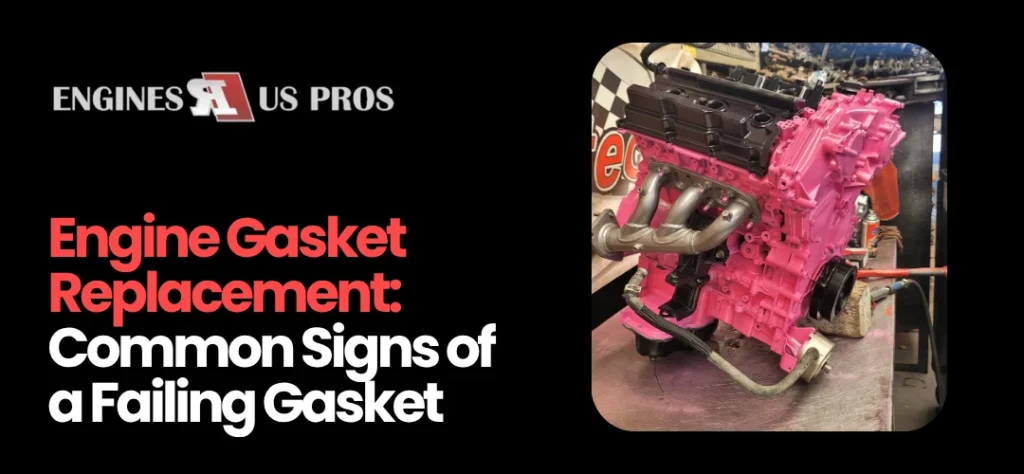
Engine Gasket Replacement: Common Signs of a Failing Gasket
Discover the warning signs of gasket failure and learn why Engine Gasket Replacement Chino, CA may be essential during engine rebuilding.
Discover the warning signs of gasket failure and learn why Engine Gasket Replacement Chino, CA may be essential during engine rebuilding.
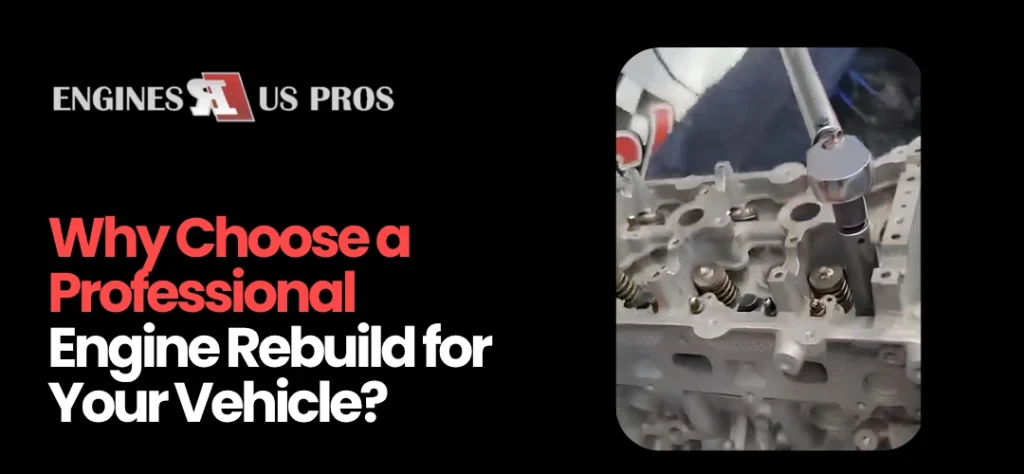
A professional Engine Rebuild Chino, CA service can be an option when the engine has usable major components but needs internal work.
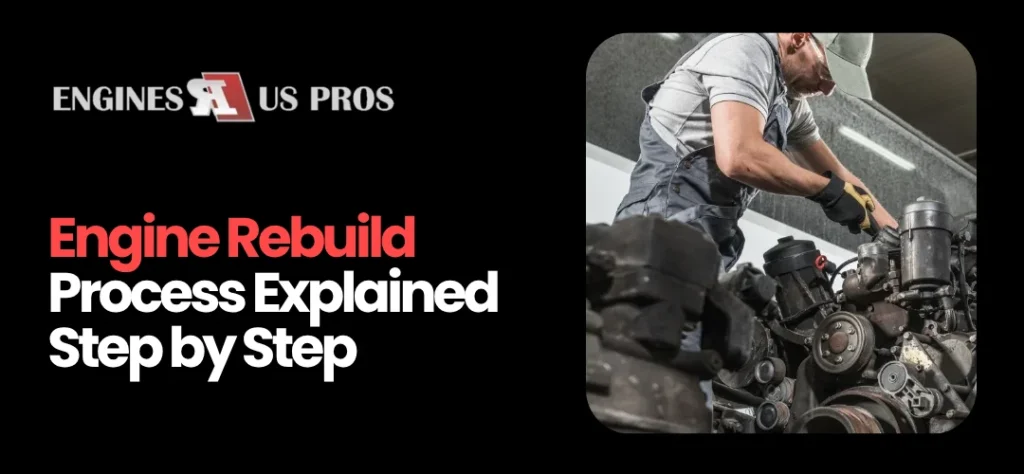
When these signs appear, many vehicle owners begin searching for Engine Rebuild Chino, CA to understand what an engine rebuild involves and when it may be needed.
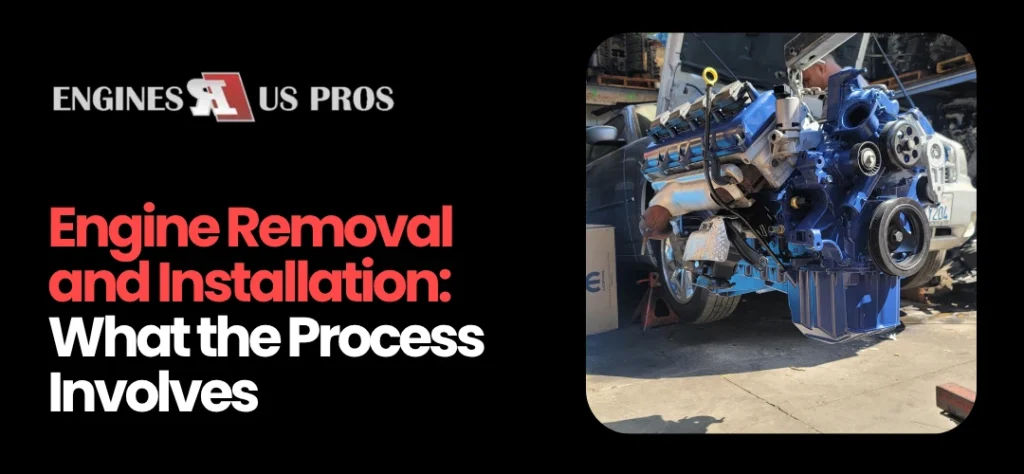
Home About Us Services Engine Rebuild & Install Long Block Rebuild Machine Shop Valve Job Cylinder Head Gallery Blogs Contact Us Apply for Financing X Book An Appointment Engine Removal and Installation: What the Process Involves When an engine has severe internal damage, repeated failures, or major wear, removing and replacing it may be a better option than continuing with small repairs. Understanding the Engine Removal and Installation process can help vehicle owners know what to expect before starting a major engine project. The work involves much more than simply taking one engine out and putting another one in. Each step requires careful planning, proper equipment, and accurate installation. At Engines R Us Pros, customers in Pomona and Chino, CA can get professional engine solutions focused on rebuilding, restoration, overhaul, reconditioning, and replacement. The goal is to help customers choose a reliable solution based on the actual condition of their engine. Call Us Today What Is Engine Removal and Installation? Engine Removal and Installation is a major automotive service that involves taking an existing engine out of a vehicle and installing another engine in its place.The replacement may be a rebuilt, restored, reconditioned, remanufactured, or replacement engine, depending on the vehicle and its needs.The process requires careful work because many systems connect to the engine. These may include: Electrical wiring Cooling system lines Fuel connections Exhaust components Transmission connections Engine mounts Sensors Air intake components A mistake during removal or installation can cause problems later. That is why experienced engine specialists are important for this type of project. Why Would an Engine Need to Be Removed? There are several reasons an engine may need to come out of a vehicle.Some common situations include: Severe internal engine damage Major overheating damage Cracked engine components Serious bearing failure Heavy piston or cylinder wear Severe oil consumption Engine seizure A failed engine that is not practical to rebuild In some cases, rebuilding the existing engine may make sense.In other cases, the damage may be too extensive, making an engine replacement a more practical choice.A detailed inspection helps determine which option makes sense. Step 1: Inspecting the Engine and Vehicle Before any major work begins, the engine and vehicle should be carefully evaluated.This step helps identify the reason for the engine problem and shows technicians what other components may need attention.The inspection may look at: Engine condition Cooling system Oil condition Transmission connections Electrical systems Engine mounts Fuel system Exhaust system This information helps create a clear plan for the project.At Engines R Us Pros, the condition of the engine is an important part of the decision-making process. The team focuses on long-term engine solutions rather than making claims about general repair services that the business does not provide. Step 2: Preparing for Engine Removal Proper preparation can make the removal process safer and more organized.The vehicle is positioned correctly, and the necessary equipment is prepared.Technicians may disconnect the battery and identify the systems connected to the engine.Important connections are handled carefully to prevent unnecessary damage.Before the engine is moved, technicians also need to make sure that all required connections have been properly disconnected. This can include: Wiring harnesses Coolant hoses Fuel lines Air intake parts Exhaust connections Transmission connections Engine mounts Step 3: Removing the Engine The actual engine removal requires specialized equipment.The engine is supported using suitable lifting equipment before the mounting points are released.This keeps the engine stable while it is separated from the vehicle.The engine removal process must be done carefully because the engine is heavy and connected to many vehicle systems.Once the engine is free, it can be lifted from the vehicle and moved to a suitable work area. Step 4: Inspecting the Removed Engine After removal, the old engine can receive a more detailed inspection.This is useful when the customer wants to know whether rebuilding or restoration is possible.Technicians may inspect: Cylinder heads Pistons Crankshaft Bearings Connecting rods Cylinder walls Gaskets Timing components The inspection can show whether the existing engine can be rebuilt or whether replacement is a better choice. When Is Rebuilding Better Than Replacement? Not every damaged engine needs to be replaced.If the main engine block and other major components are still suitable, rebuilding may be an option.An engine rebuild can involve inspecting and replacing worn internal components.Depending on the engine, this may include: Pistons Rings Bearings Seals Gaskets Valves Timing components The exact work depends on the engine’s condition.This is one reason a proper inspection is important before choosing between rebuilding and replacement. Engine Installation: What Happens Next? Once the replacement or rebuilt engine is ready, the installation process begins.The engine is carefully positioned in the vehicle.Technicians align it with the correct mounting points and transmission connections.The engine must sit correctly before the remaining systems are connected.The engine Installation process may include reconnecting: Engine mounts Transmission components Wiring Cooling lines Fuel connections Exhaust components Intake components Sensors Every connection should be checked before the vehicle is started. Engine Installation Requires Careful Testing Installing the engine is not the final step.After the engine is in place, technicians need to check its operation.Testing may include checking: Fluid levels Electrical connections Cooling system operation Oil pressure Engine sounds Warning lights Leaks Idle quality A careful inspection after installation helps confirm that the major systems are working as expected. Engine Rebuild and Installation Some customers may need both rebuilding and installation as part of one project.For example, an existing engine may be removed, rebuilt, and then installed back into the vehicle.This type of project requires coordination between the rebuilding process and final installation.The engine must be assembled correctly before it returns to the vehicle.The installation stage then ensures the rebuilt engine is properly positioned and connected. Signs You May Need Major Engine Work Vehicle owners should pay attention to serious engine symptoms.Some warning signs include: Loud knocking sounds Severe oil consumption Low oil pressure Heavy smoke Loss of engine power Severe overheating Metal particles in oil Engine seizure These symptoms do not automatically mean the engine must
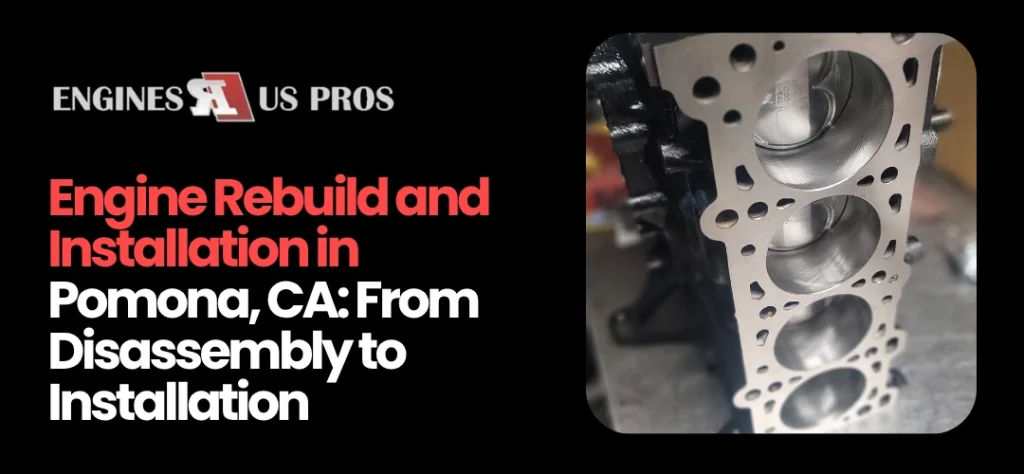
Engine Rebuild and Installation in Pomona, CA to restore worn engine components, improve performance, and get your vehicle back on the road.
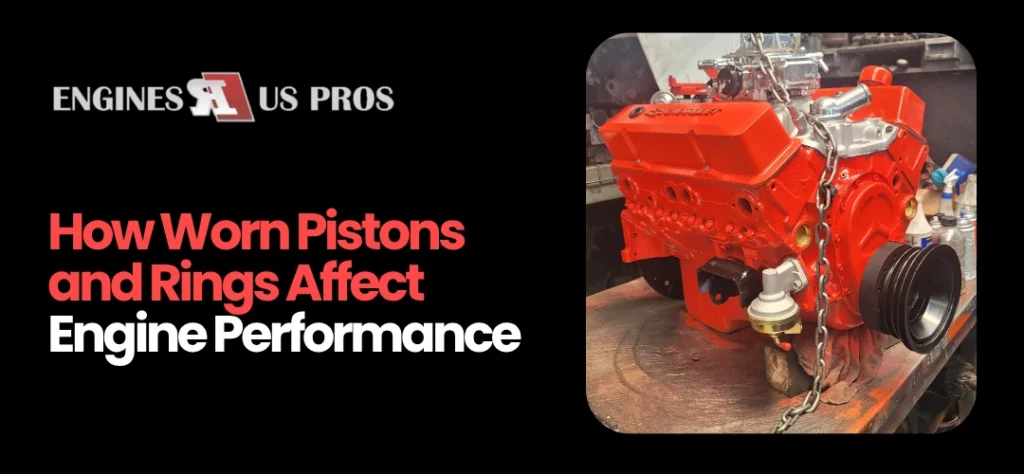
Learn the signs of worn pistons and rings and when piston and ring replacement can restore engine performance, compression, and efficiency.
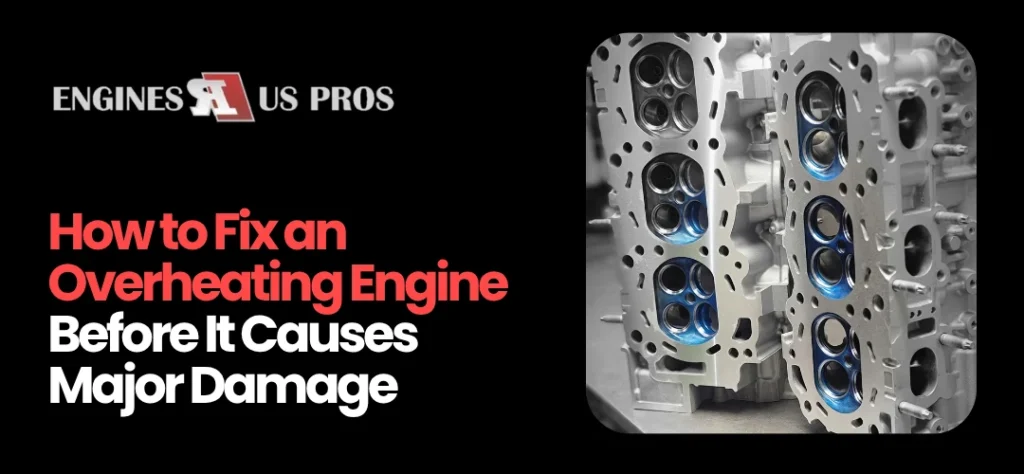
Get an expert engine overheating fix in Chino, CA. Learn the warning signs, causes, and solutions to prevent severe engine damage and restore vehicle performance.
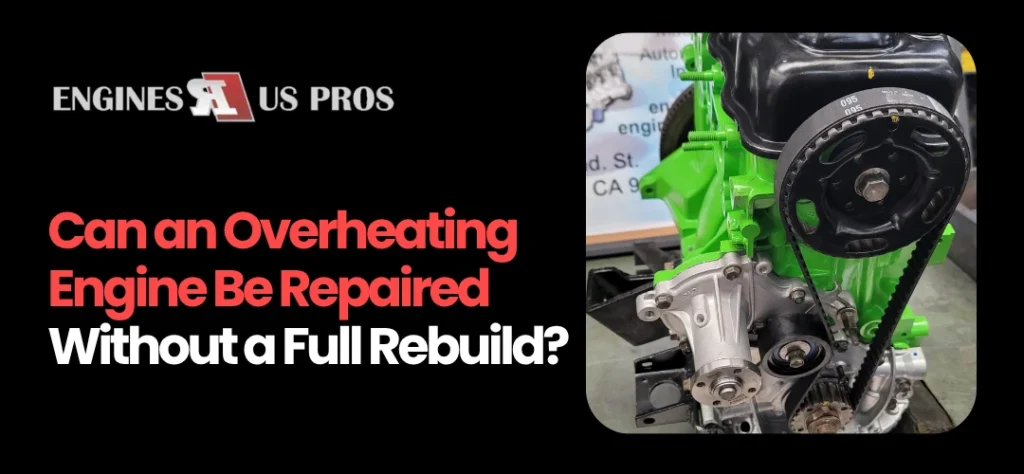
If you are dealing with engine overheating Chino, CA, learning what causes overheating and what happens next can help you make an informed decision.
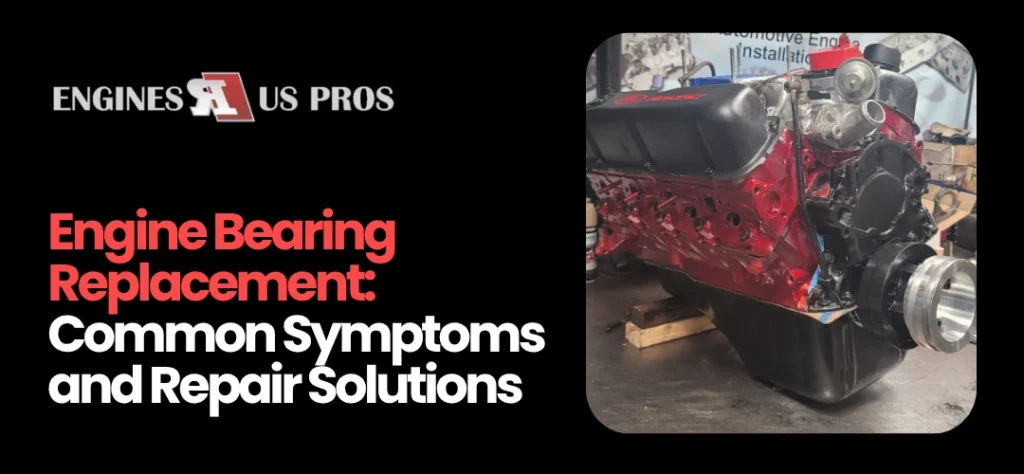
Watch for early engine bearing failure signs. Learn when to choose Engine Bearing Replacement Chino, CA with expert engine rebuilding and replacement services.
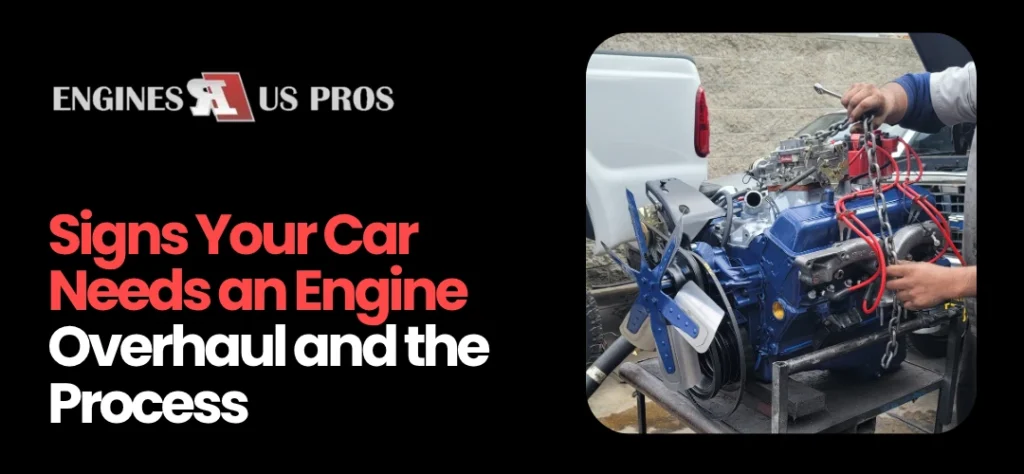
Recognize the signs you need an Engine Overhaul Chino, CA. Learn the overhaul process and restore your vehicle’s performance with trusted engine experts.